
Egypt, Sudan, Eritrea, Somalia Reject Moves on Nile Water Rights
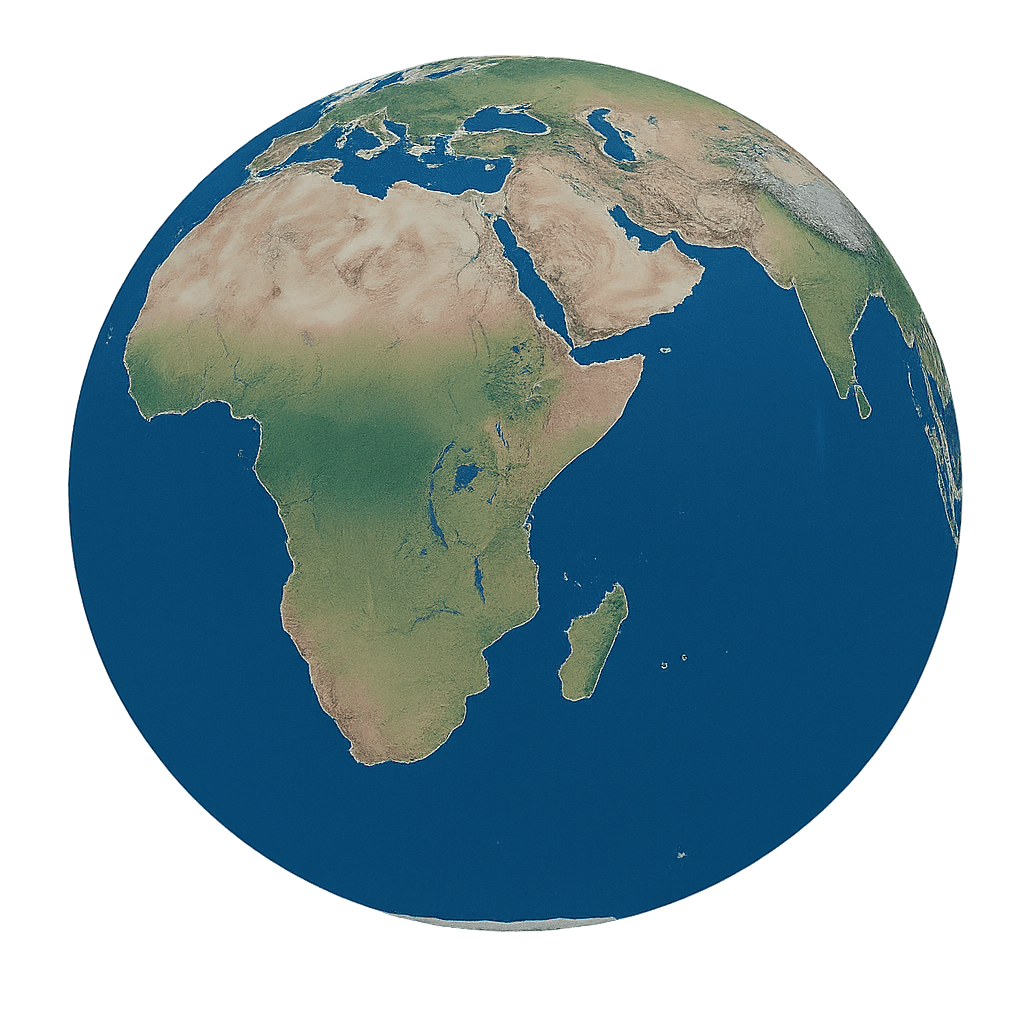
Egyptian President Abdel Fattah El Sisi, Sudan's Transitional Sovereignty Council President General Abdel Fattah Al-Burhan, Eritrean President Isaias Afwerki and Somali President Hassan Sheikh Mohamud met in the Egyptian coastal city of El Alamein. In the El Alamein Joint Declaration released after the talks, they also rejected outside interference in regional states' internal affairs "under any pretext."
The declaration backed Sudan's sovereignty, territorial integrity and state institutions and opposed "the establishment of any parallel entities." It urged a return to a political process owned and led by Sudanese, called for support for national institutions and rejected any backing for mercenaries.
On Somalia, the leaders reaffirmed the country's unity and sovereignty and rejected any interference that endangers its territorial integrity. They also opposed any recognition or support for "so-called Somaliland."
The four states endorsed freedom of navigation and declared that governing the Red Sea falls exclusively to the countries along its coast.
NILE DISPUTE
The declaration singled out "any unilateral measures that harm the existing water uses of the two downstream Nile states."
Egypt and Sudan, the downstream countries, are locked in a standoff with upstream Ethiopia over its Nile dam and its refusal to sign a binding agreement on how the reservoir is filled and operated. Cairo fears the project could cut into its annual water allocation of 55.5 billion cubic meters.
RED SEA TENSIONS
Egypt, a Red Sea coastal state, has repeatedly objected this year to Ethiopia gaining a maritime outlet on the sea. Ethiopia has been landlocked since Eritrea became independent in 1993, and international law gives it no right to such access. Prime Minister Abiy Ahmed has kept pushing the matter since taking office in 2018.
Ethiopia shares land borders with six countries: Eritrea, Djibouti, Somalia, Kenya, Sudan and South Sudan.
On Jan. 1, 2024, Ethiopia signed a memorandum of understanding with Somaliland that cleared the way for a military base and a Red Sea port. Mohamud later told parliament the memorandum was illegal, a flagrant violation of international law and could not be implemented.
DIPLOMATIC FALLOUT
The leaders agreed to reconvene "periodically, and whenever the need arises, to enhance consultation and coordination among them."
The summit followed a sharp diplomatic escalation. On Thursday, Ethiopia cut ties with Eritrea and expelled an Egyptian diplomat, and both countries responded in kind.
The moves come as Ethiopia grapples with a crisis after the Tigray People's Liberation Front, an opponent of Abiy's government, stepped up attacks in late September and seized airports.
Addis Ababa has accused Eritrea and Egypt of backing the group. Both have repeatedly denied meddling in other countries' internal affairs.
Legal Disclaimer:
EIN Presswire provides this news content "as is" without warranty of any kind. We do not accept any responsibility or liability for the accuracy, content, images, videos, licenses, completeness, legality, or reliability of the information contained in this article. If you have any complaints or copyright issues related to this article, kindly contact the author above.
